3-gun for beginners: what you need for your first match
Three-gun, or multigun, is a practical shooting sport in which competitors run through stages using a pistol, a rifle and a shotgun, engaging steel and paper targets at distances from a few feet to several hundred yards. It rewards safe, fast gun handling and good decisions more than expensive gear. This guide covers what you actually need to shoot your first local match.
How a match works
A match is made of stages. Each stage has a written course of fire: where you start, which guns are staged where, and which targets to engage. A range officer runs you with a timer. Your score combines time with target hits and penalties. Local matches are usually four to eight stages in a day.
Safety comes first
Firearms stay unloaded and holstered or bagged except at the line or at designated safe areas. You load only on the range officer's command. Breaking the 180-degree rule, pointing a muzzle uprange, a negligent discharge or sweeping someone ends your match. New shooters are usually asked to attend a safety briefing or new shooter orientation first.
The pistol
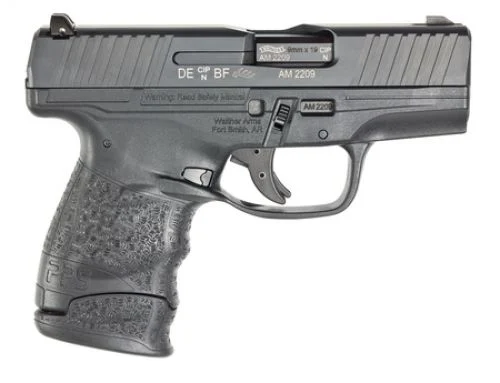
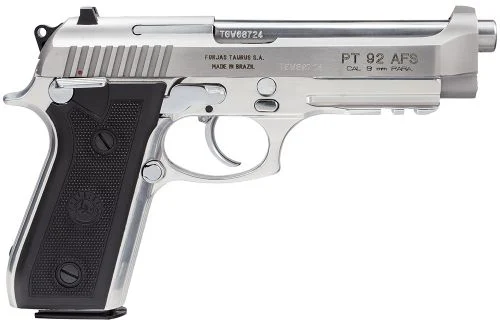
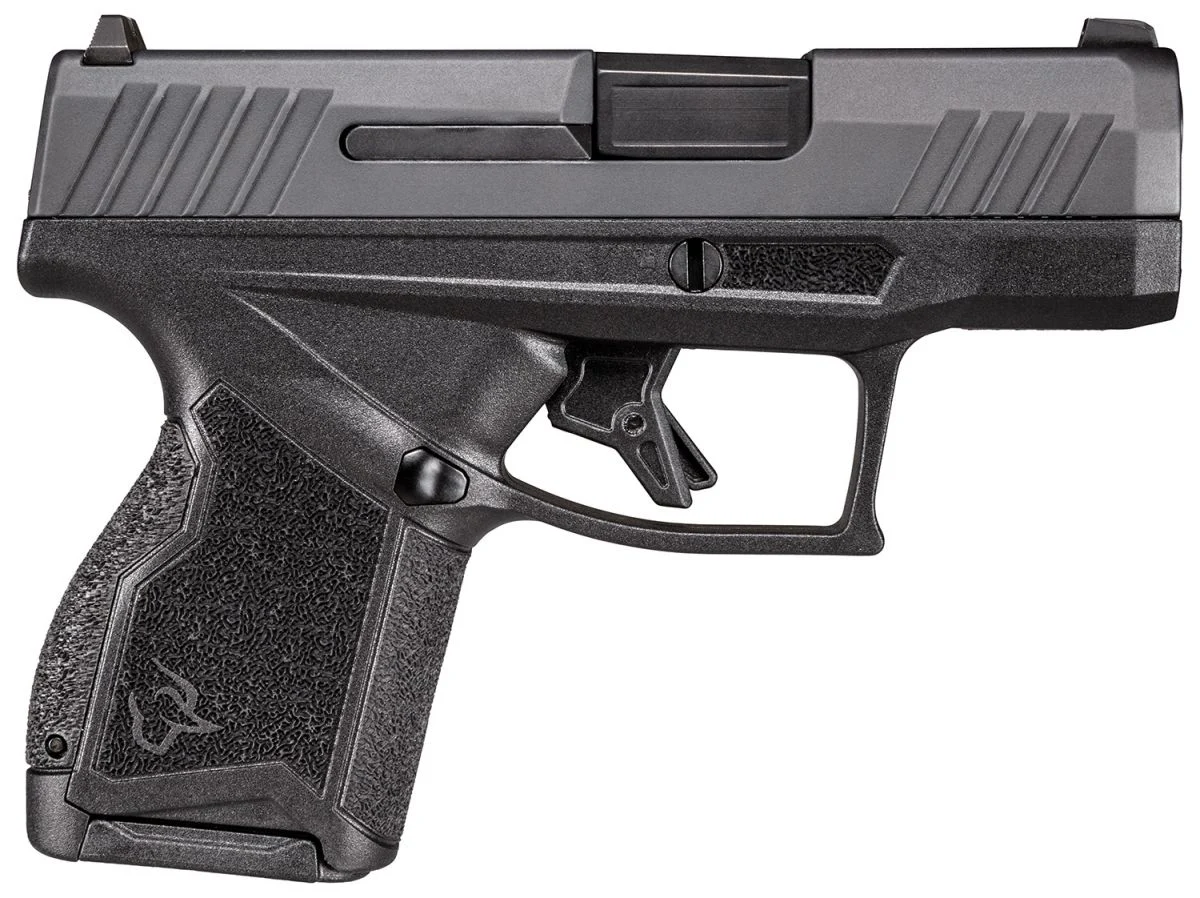
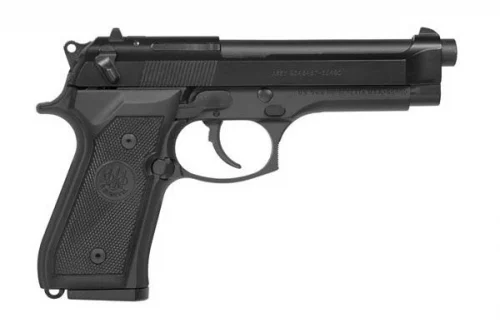
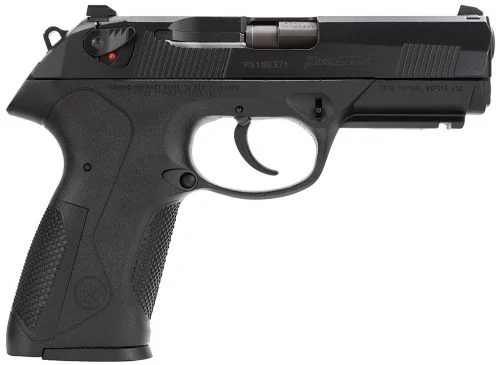
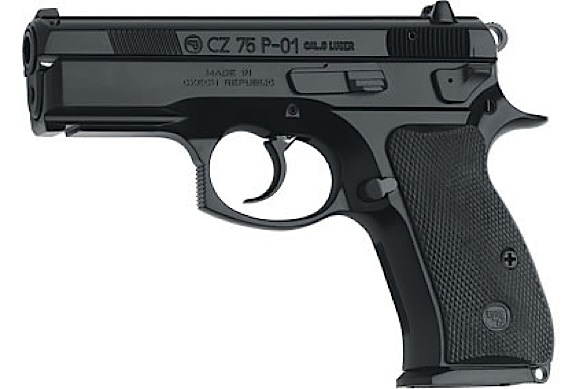
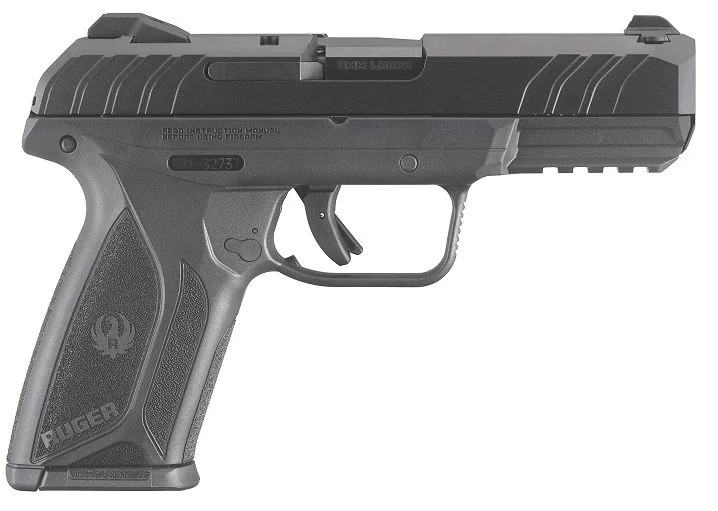
Any reliable, full-size or compact 9mm with at least four magazines works to start. Glock 17 and 34, Smith and Wesson M&P, SIG P320, CZ Shadow 2, Canik and 2011-style pistols are common. A red dot on the slide is allowed in most open-style divisions. See our competition pistol guide.
The rifle
A standard 16-inch AR-15 in 5.56 is the default rifle. Add a quality 1-6x or 1-8x variable optic, or a red dot with a magnifier to start. A free-float handguard, a good muzzle brake or compensator and a reliable trigger help. Bring at least three good magazines. See the rifle and shotgun setup guide.
The shotgun
Semi-automatic 12-gauges such as the Beretta 1301, Benelli M2, Mossberg 930 and 940 and Stoeger M3000 are popular because they cycle fast and reload from caddies. A pump shotgun is fine for your first matches. Extended tubes let you start stages with more shells.
Divisions
Divisions group similar equipment. Tactical or Limited divisions restrict optics on some guns; Open allows magnified optics, magazine-fed shotguns and compensators. Local matches are relaxed about division, and new shooters can pick whatever their gear fits.
Belt and pouches
A stiff two-piece competition belt, a retention-free holster that fully covers the trigger, two or three pistol magazine pouches, a rifle magazine pouch and shotgun shell caddies make up a basic rig.
Ammunition counts
Plan on 150 to 300 rounds of pistol, 100 to 200 of rifle and 75 to 150 shotgun shells for a local match, plus spares. Use the ammunition you zeroed with. Birdshot for steel, slugs for designated slug targets.
What else to bring
- Eye and ear protection, required on every range.
- Rifle and shotgun cases or a range cart.
- Water, sunscreen, a hat and rain gear.
- A small kit with tools, lube and spare parts.
Your first match
Arrive early, sign in, listen to the safety brief and ask your squad for help. Walk each stage, plan a simple course and focus on safe handling and hits, not speed. Everyone was new once, and 3-gun squads are known for helping newcomers.
Practice between matches
Dry-fire drills at home, reload practice and a monthly range trip will improve your times faster than new gear. Use the public ranges listed on our city pages to zero and confirm holds.
Need to buy a gun first? Read how to buy guns online.
General information, not legal advice. Current as of September 2026. Laws change; check the official source before you act.